
 By Mace Laith
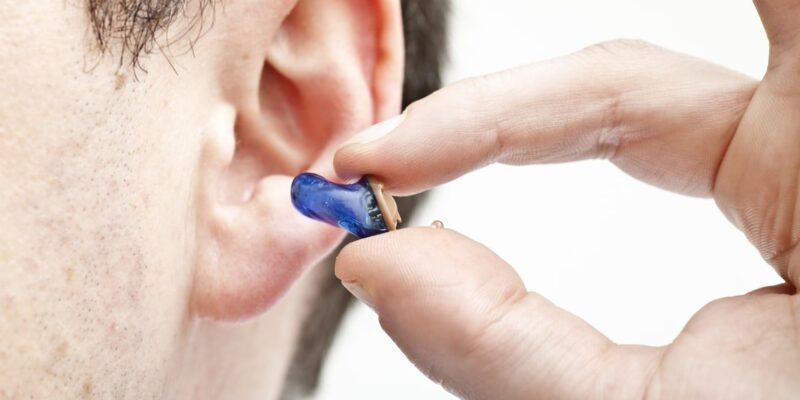
Hearing loss occurs when there’s damage to the inner ear or auditory nerve, resulting in difficulty perceiving sounds. It can range from mild to severe and affects one or both ears. OTC hearing aids are devices designed to amplify sounds for adults with perceived mild to moderate hearing loss.
Types of hearing loss OTC hearing aids can address
- Mild to moderate sensorineural hearing loss
Sensorineural hearing loss is the most common type, caused by damage to the inner ear or auditory nerve. OTC hearing aids work well for mild to moderate cases of this condition. People with this type of hearing loss often have trouble hearing soft sounds and understanding speech in noisy environments.
- High-frequency hearing loss
Many adults experience high-frequency hearing loss as they age. A person with this condition has a hard time hearing high-pitched sounds, like children’s voices. OTC hearing aids can help amplify these higher frequencies, improving overall hearing clarity.
- Bilateral hearing loss
Bilateral hearing loss affects both ears, often to varying degrees. OTC hearing aids can be particularly beneficial for individuals with mild to moderate bilateral hearing loss, as they can be adjusted to accommodate the specific needs of each ear.
- Gradual hearing loss due to ageing
Age-related hearing loss, also known as presbycusis, is a common condition that develops slowly over time. OTC hearing aids can be an excellent solution for addressing the early stages of age-related hearing loss, helping to maintain communication abilities and quality of life.
- Noise-induced hearing loss
Hearing damage can be caused by prolonged exposure to loud noises. OTC hearing aids can help individuals with mild to moderate noise-induced hearing loss by amplifying sounds and improving speech comprehension in various environments.
Limitations of OTC hearing aids
While OTC hearing aids can address several types of hearing loss, they aren’t suitable for all situations. These devices are not designed for severe or profound hearing loss, which requires more powerful and specialized hearing aids prescribed by an audiologist. Additionally, OTC hearing aids may not be appropriate for individuals with sudden hearing loss, unilateral hearing loss, or hearing loss caused by medical conditions that require professional treatment.
Choosing the right OTC hearing aid
When selecting an OTC hearing aid, consider the following factors:
- Type and severity of hearing loss
- Ease of use and adjustment features
- Battery life and rechargeability
- Comfort and fit
- Compatibility with smartphones or other devices
- Customer support and warranty options
It’s important to note that while OTC Hearing Aids offer a more accessible solution for many people, they don’t replace the need for professional hearing evaluations. If you’re unsure about the cause or severity of your hearing loss, it’s best to consult with an audiologist before purchasing OTC hearing aids.
OTC hearing aids represent a significant step forward in making hearing assistance more accessible and affordable. They can effectively address several types of mild to moderate hearing loss, including sensorineural, high-frequency, bilateral, age-related, and noise-induced hearing loss. It’s crucial to understand their limitations and seek professional advice when necessary.