 By Mace Laith
Plasma donation plays a vital role in supporting medical treatments and saving lives. For those considering plasma donation in New Jersey, understanding how to have a comfortable and safe experience can make the process smoother and more rewarding. From preparation to recovery, donors can take specific steps to ensure their visit is efficient, pleasant, and beneficial for both themselves and the patients who rely on plasma-derived therapies.
Preparing for Your Plasma Donation
The first step in ensuring a comfortable plasma donation experience in New Jersey is proper preparation. Donors should maintain adequate hydration before their appointment, as plasma is primarily composed of water. Drinking plenty of water and avoiding excessive caffeine or alcohol helps facilitate a smoother donation process and reduces the risk of dizziness or fatigue during the procedure.
Eating a healthy meal prior to donation is also essential. A balanced meal with protein and iron-rich foods, such as eggs, lean meats, or leafy greens, helps maintain energy levels and supports healthy blood composition. Donors should avoid fatty or heavy foods immediately before their appointment, as these can affect plasma quality and may delay the donation process.
Additionally, reviewing eligibility requirements is crucial. Most plasma centers in New Jersey have specific guidelines regarding age, weight, and overall health. Ensuring you meet these criteria not only protects your well-being but also streamlines the intake process and minimizes complications.
Tips During the Donation Process
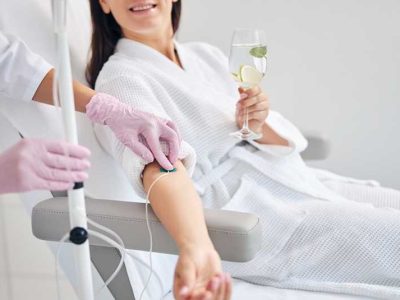
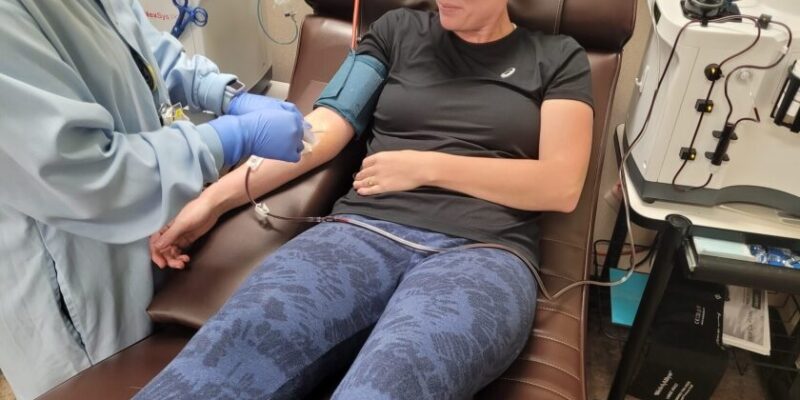
During the plasma donation itself, comfort and relaxation are key. Wear loose, comfortable clothing that allows easy access to the arm where the needle will be inserted. Bringing a book, music, or other distractions can help pass the time during the procedure, which typically lasts between 45 minutes to an hour.
Communication with the staff is important for a smooth experience. Letting the technicians know if you feel any discomfort, dizziness, or anxiety allows them to adjust the procedure or provide guidance to help you remain comfortable. The staff at plasma donation centers in New Jersey are trained to support donors and ensure the process is as safe and pleasant as possible.
Maintaining a relaxed posture and steady breathing can also contribute to a more comfortable experience. Tensing muscles or feeling anxious may make the insertion of the needle more difficult and prolong the procedure. Focusing on calm, deep breaths can help reduce discomfort and make the donation process easier.
Post-Donation Care
After donating plasma, taking care of your body is essential for recovery and overall well-being. Resting for a few minutes at the donation center allows your body to adjust and ensures you are stable before leaving. Drinking water and consuming a light snack provided by the center can help replenish fluids and maintain energy levels.
Avoid strenuous activity or heavy lifting for the rest of the day to prevent fatigue or injury at the puncture site. Donors should also monitor their arm for any minor bruising or tenderness, which is normal and typically resolves within a few days. Applying a cold compress if needed can help reduce swelling or discomfort.
Maintaining regular plasma donations in New Jersey can be rewarding, but following these tips ensures each visit remains safe, comfortable, and effective. By preparing adequately, staying relaxed during the procedure, and practicing proper post-donation care, donors contribute to life-saving therapies while protecting their own health and well-being.
Long-Term Benefits of Plasma Donation
Consistent plasma donation not only supports patients in need but also allows donors to develop a routine of health awareness. Engaging in proper hydration, nutrition, and self-care around donation appointments reinforces healthy habits. Many donors find satisfaction in knowing their contributions help treat conditions such as immune deficiencies, hemophilia, and other critical medical needs.
Tips for a comfortable plasma donation experience in New Jersey focus on preparation, relaxation during the procedure, and post-donation care. By prioritizing these steps, donors can ensure a smooth and positive experience while making a meaningful impact on patients’ lives.