
 By Mace Laith
Donating plasma is a vital contribution to healthcare, supporting treatments for patients in need of blood components. Ensuring that this process is safe and hygienic is essential for both donors and recipients. Donate plasma locations follow strict protocols to maintain high standards of cleanliness, safety, and infection control, allowing donors to give with confidence while ensuring the plasma collected is safe for medical use.
Sterilization and Equipment Safety
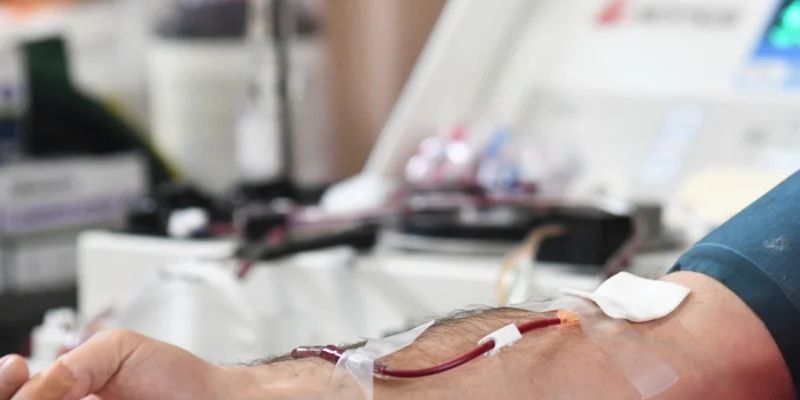
One of the most important aspects of safety at donate plasma locations is the use of sterile, single-use equipment. Needles, tubing, and collection kits are never reused, reducing the risk of infection. Plasmapheresis machines are thoroughly cleaned and disinfected between donations, and all surfaces that donors come into contact with are regularly sanitized.
Staff members are trained to follow proper sterilization procedures and handle equipment in accordance with health regulations. By adhering to these standards, plasma centers ensure that every donation occurs in a controlled and safe environment. The focus on equipment safety protects donors from potential complications while maintaining the integrity of the plasma collected for medical treatments.
Donor Screening and Health Protocols
Safety at donate plasma locations extends beyond equipment to include donor health. Before donating, individuals undergo a comprehensive screening process, which typically includes a health questionnaire, vital signs check, and small blood tests to ensure eligibility. This process ensures that only healthy individuals donate, reducing the risk of transmitting infections and protecting the donor’s own well-being.
Staff are trained to identify potential risk factors and provide guidance on donation frequency, hydration, and nutrition. These protocols not only safeguard the health of recipients but also minimize adverse reactions for donors. Continuous monitoring during the donation process ensures that any issues are promptly addressed, further enhancing safety standards.
Hygiene Practices and Clean Environment
Maintaining a clean environment is critical at donate plasma locations. Regular cleaning schedules, disinfectant wipes, and hand sanitizers are standard practices in all areas, including waiting rooms, donation stations, and recovery areas. Staff follow strict hand hygiene protocols, and personal protective equipment such as gloves and masks are often used to minimize exposure to germs.
Air quality and ventilation are also important considerations. Many plasma centers employ filtration systems and maintain controlled airflow to create a safe, comfortable environment for donors. Cleanliness, combined with proper layout and spacing, reduces the likelihood of cross-contamination and ensures that every visit is as safe as possible.
Donor Education and Safety Awareness
Another key component of safety at donate plasma locations is educating donors about best practices before, during, and after donation. Donors receive instructions on proper hydration, nutrition, and rest, which helps prevent side effects such as dizziness or fatigue. Clear guidance on aftercare ensures that donors can recover quickly and safely, supporting repeat donations and long-term donor health.
Staff also provide information about infection control, explaining the measures in place to maintain hygiene and prevent the spread of illnesses. This transparency builds trust, reassuring donors that their health is a top priority and that the plasma collected will meet rigorous safety standards.
Maintaining safety and hygiene at donate plasma locations is critical for protecting both donors and recipients. Through strict sterilization practices, comprehensive health screening, clean environments, and donor education, plasma centers ensure that each donation is conducted in a secure and professional manner. These standards not only safeguard health but also support the reliable collection of plasma, which is essential for life-saving medical treatments.