
 By Mace Laith
Root canal treatment has long had a reputation for being daunting, but modern dentistry has completely transformed the experience. Thanks to advanced techniques, the procedure is now gentle, highly effective, and focused on preserving your natural teeth. Patients can enjoy minimal discomfort while safeguarding their oral health, making root canal therapy a reliable solution for long-term dental care.
Long-Term Advantages
One of the biggest benefits of root canal therapy is the preservation of natural teeth. Teeth that have undergone root canal treatment maintain their structure, support proper bite alignment, and prevent bone loss. Retaining natural teeth also reduces the need for bridges or implants, helping maintain overall oral health. Modern restorative methods can even strengthen treated teeth, keeping them resilient and functional for many years.
Understanding Root Canal Therapy
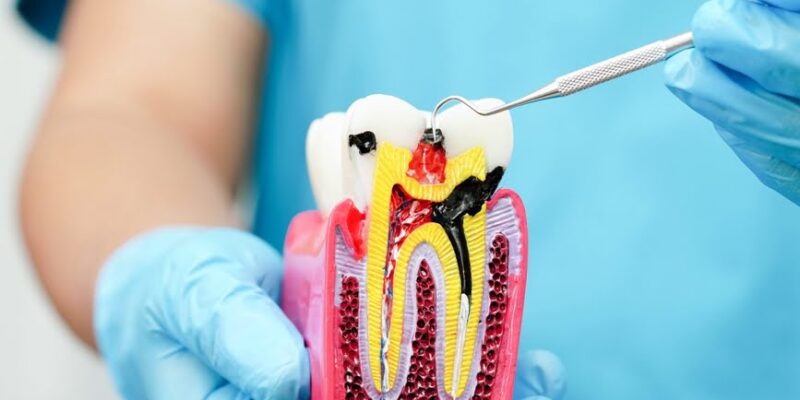
Root canal therapy involves removing damaged or infected pulp from within a tooth, thoroughly cleaning the canals, and sealing them to prevent further infection. By addressing the source of the problem, dentists can save teeth that might otherwise need extraction. The treatment alleviates pain, restores tooth function, and protects the natural structure, supporting both oral health and overall confidence in your smile.
Symptoms Indicating You Might Need a Root Canal
Several warning signs suggest that a root canal may be necessary. Persistent toothache, sensitivity to hot or cold, swelling in the gums, and noticeable discoloration are common indicators. Ignoring these symptoms can lead to worsening infection, abscess formation, and eventual tooth loss. Early intervention not only simplifies the procedure but also improves recovery outcomes.
Modern Techniques for Comfort and Precision
Contemporary root canal procedures employ advanced tools and methods to ensure accuracy and patient comfort. Digital imaging allows dentists to see the root canal system clearly, while rotary instruments and biocompatible materials provide thorough cleaning and sealing. Laser-assisted technologies can further reduce discomfort, promote faster healing, and lower the risk of complications. These innovations have transformed root canal treatment into a precise, stress-free dental solution.
Pain Management During Treatment
Modern root canal therapy is designed to be largely pain-free. Local anaesthesia eliminates discomfort during the procedure, and sedation options are available for anxious patients. Any post-treatment soreness is typically mild and short-lived, manageable with standard over-the-counter pain relief. Gentle handling and careful techniques help ensure that patients experience minimal stress and maximum comfort throughout their treatment.
Single vs. Multiple Treatment Sessions
Not all root canal procedures are completed in a single visit. Some cases are straightforward enough for one session, while others require multiple appointments depending on the complexity of the infection or tooth anatomy. Understanding the differences helps patients plan accordingly and manage expectations. For more information, you can explore the differences between single and multiple treatments to determine the approach best suited to your needs.