 By Mace Laith
Choosing the best gym singapore is not only about chasing a body goal, it is also about protecting your health for the next 10, 20, and 30 years. For many women in Singapore, the real wins from consistent training show up quietly, you move with less stiffness, you feel steadier through stressful weeks, your sleep improves, and you feel stronger in day-to-day life. Strength training in particular has a unique role because it supports muscle, bone, posture, and long-term metabolic resilience.
This matters because modern life makes it easy to become less active without noticing. Long work hours, commute time, caregiving duties, and screen-heavy routines can reduce daily movement. Over time, that can affect bone density, muscle mass, and body composition, even if your weight looks “normal”. A gym routine, when designed well, becomes more than fitness, it becomes preventive health you can feel.
Why women’s health needs a different training perspective
Women do not need “special” workouts in a gimmicky way, but women do benefit from training plans that account for common real-life patterns. Many women in Singapore balance demanding schedules and carry ongoing stress, and many also experience stages of hormonal change that influence recovery, sleep, appetite, and energy. If your training plan ignores those factors, it is easier to feel like you are failing. In reality, your plan simply needs to fit your life.
The goal is not to train harder. The goal is to train smarter, in a way that is sustainable across life stages.
What long-term health-focused training aims to improve
A women’s long-term training approach tends to prioritise outcomes such as:
-
maintaining bone density and joint stability
-
preserving muscle and strength as you age
-
improving posture and reducing aches from desk work
-
supporting metabolic health and healthy body composition
-
improving stress tolerance, mood, and sleep quality
These are not “nice to have”. They are foundations for quality of life.
Strength training and bone density, what really matters
Bone is living tissue. It adapts when it experiences load. That is why strength training is often discussed in the context of bone density. While walking and general activity help, the type of loading in resistance training can provide a stronger stimulus for bones.
This becomes especially relevant as women approach midlife, because bone density can decline with age. You do not have to wait until you are older to care about bone health. In fact, building strength earlier is one of the most practical forms of future-proofing.
Why bone density conversations should not be scary
Many women only hear about bone density when someone mentions osteoporosis, and it can feel overwhelming. A better mindset is simple. Your bones respond to the life you live. If your routine includes regular, progressive resistance training, you are giving your body a reason to stay strong.
What gym training can do that home workouts often cannot
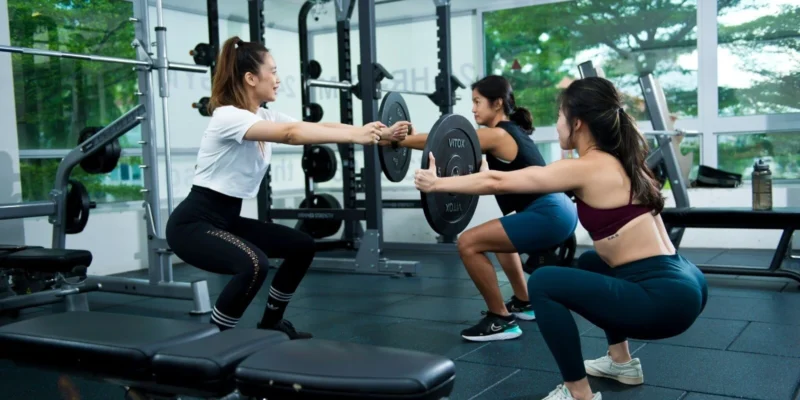
At home, it can be challenging to progressively increase resistance safely and consistently. In a gym environment, you can gradually increase load through machines, dumbbells, cable stations, and structured strength work. That progression is one of the keys to long-term improvement, not the intensity of a single session, but the steady increase over time.
Later in your routine, it can be helpful to train in a facility that supports progression and consistency, which is why many women consider options like True Fitness Singapore once they decide their goal is long-term health and not just a short-term challenge.
Hormones, stress, and training, how to work with your body
Hormones influence recovery, energy, and appetite. Stress hormones also matter, especially when you have demanding work weeks or poor sleep. This does not mean you should avoid training. It means you should choose training styles that support your nervous system rather than constantly pushing it.
Some women feel energised by higher intensity work. Others feel exhausted and inflamed when they do too much. Learning your recovery pattern is part of long-term fitness, and it is often the difference between people who quit and people who build a lasting habit.
Training that supports a busy, high-stress lifestyle
Strength training done at a moderate intensity, with enough rest between sets, tends to be sustainable. It builds strength without leaving you drained. Pairing this with lower-impact cardio can support heart health without pushing you into constant fatigue.
When stress is high, the most effective training plan is usually the one that you can repeat. A plan that demands perfection rarely survives a Singapore work schedule.
Posture, back comfort, and the desk-work reality
Many women in Singapore spend hours sitting at a desk. Over time, this can show up as tight hips, rounded shoulders, neck tension, and lower back discomfort. Strength training can help, not because it is “corrective exercise”, but because it builds the muscles that support your posture under load and under fatigue.
You do not need complicated routines. Simple patterns, done consistently, make a difference.
The strength foundation that tends to help posture
A well-rounded plan usually includes:
-
lower body strength for hip stability and leg power
-
pulling movements for upper back and shoulder balance
-
core stability training that supports bracing and spinal control
When these are trained regularly, day-to-day movement often feels easier, carrying groceries is less irritating, climbing stairs feels lighter, and you feel more stable through long days.
A realistic weekly plan for women focused on long-term health
This is not a “beast mode” plan. It is a practical structure that supports bone, muscle, and energy.
3-day weekly plan, simple, repeatable, effective
Day 1, Full body strength
You focus on a lower-body push movement, an upper-body push, and an upper-body pull, plus a hinge and light core. The aim is steady progress, not exhaustion. You leave feeling stronger, not flattened.
Day 2, Cardio and mobility
Choose low-impact cardio that supports consistency, incline walking, cycling, or a comfortable cardio session. Add mobility work for hips, thoracic spine, and shoulders. This day helps recovery while building fitness.
Day 3, Full body strength with variation
Repeat the full body approach but change the main movements slightly. This reduces overuse, keeps training interesting, and supports a more balanced development.
This structure works because it is manageable for most schedules. It is also easy to maintain even when you travel, have busy weeks, or need a lighter approach during stressful periods.
What “progress” looks like when health is the goal
If you are training for long-term health, progress is not only about body weight. It looks like:
-
you can lift slightly heavier over time with good form
-
you recover better and feel less sore after sessions
-
you have more stamina in daily life
-
you feel steadier in mood and energy
-
your posture improves and aches reduce
This is slow, steady change, but it is real change.
How to avoid the common mistakes that derail women’s training
A lot of women stop training not because they do not care, but because the routine they picked was too aggressive. It is easy to fall into a cycle of starting hard, burning out, then restarting months later.
Mistake 1, training like every session must be extreme
Training should challenge you, but it should not punish you. A steady plan that you can do most weeks beats a dramatic plan that lasts two weeks.
Mistake 2, avoiding strength training out of fear of “bulking”
Building noticeable muscle takes time, effort, and nutrition consistency. Most women who lift do not “accidentally” become bulky. What usually happens is improved shape, improved posture, and improved confidence in movement.
Mistake 3, doing only cardio for fat loss
Cardio helps, but strength training protects muscle, and muscle supports metabolic health. A balanced plan is usually better for long-term results.
Eating to support training without turning food into stress
For long-term health, food should support your life, not dominate it. In Singapore, that means being realistic about eating out, hawker meals, office snacks, and social occasions.
Instead of strict rules, think in anchors. Try to include protein regularly, aim for fibre most days, and be mindful of sweet drinks. If you can do that while training consistently, you create a strong foundation without burnout.
FAQ
Q: Is strength training safe for women who have never lifted weights before?
A: Yes, it is generally safe when you start light, focus on technique, and progress gradually. A sensible plan uses manageable loads and consistent movement patterns. If you have an existing medical condition or pain issue, it is best to get professional guidance before pushing intensity.
Q: Will lifting weights make me bulky?
A: For most women, no. Noticeable “bulking” usually requires long-term training, high volume, and a specific calorie surplus. Most women see improved tone, strength, posture, and body shape rather than sudden size gain.
Q: What is the minimum training schedule for long-term health benefits?
A: A realistic minimum is two strength sessions per week, plus one cardio or active recovery day. If you can maintain this consistently, you can build strength, protect muscle, and support long-term health.
Q: If I have low energy after work, should I still train at night?
A: If your energy is consistently low, consider shorter sessions, lighter intensity, or training earlier when possible. You can also treat gym sessions as stress relief rather than performance. The best approach is the one you can sustain without harming sleep.
Q: Can strength training help with posture and neck or shoulder tension from desk work?
A: Yes, it often helps by strengthening the upper back, shoulders, and core, which improves how your body holds posture under fatigue. Pairing strength work with mobility can reduce stiffness over time.
Q: Do women need different workouts during different life stages?
A: The fundamentals stay the same, strength, mobility, and cardiovascular fitness. What changes is how you manage recovery, intensity, and volume based on energy levels, stress, and overall health. A flexible plan is usually more effective than a rigid one.
Q: How can I stay consistent when my schedule is unpredictable?
A: Build a “minimum effective routine” you can complete in 30 to 45 minutes. When you have more time, do the full plan. When you have less time, do the shortened version. This keeps the habit alive even during busy weeks.
Q: Is it better to train fasted in the morning or after eating?
A: It depends on how you feel. Some women train well fasted for light cardio, but strength training often feels better with some fuel. If you feel dizzy or weak fasted, have a small snack first.
Q: Should I focus more on weights or cardio for healthy ageing?
A: Both matter, but strength training is often under-prioritised. Weights support muscle and bone, cardio supports heart health and stamina. A balanced plan that includes both tends to be best for healthy ageing.