 By Mace Laith
In 2026, artificial intelligence has moved from novelty to necessity in modern dentistry. What was once limited to experimental software and early imaging tools is now deeply embedded across diagnosis, treatment planning, and patient communication. AI is no longer replacing dentists; instead, it is amplifying clinical skill, improving accuracy, and reshaping the patient experience from routine fillings to advanced digital smile design.
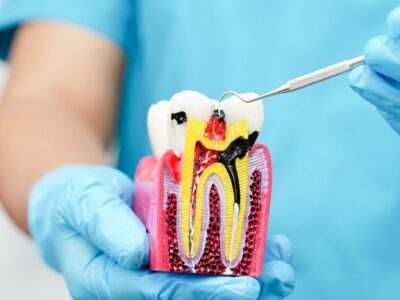
One of the most widespread applications of AI in dentistry is diagnostic support. AI-powered imaging systems now analyse dental X-rays, CBCT scans, and intraoral photos with remarkable precision. These systems can highlight early caries, subtle bone loss, periapical infections, and failing restorations that might be difficult to detect with the human eye alone. For fillings in particular, AI assists in identifying decay at its earliest stages, enabling more conservative treatment that preserves healthy tooth structure.
In restorative dentistry, AI-driven design and workflow automation have become standard in progressive practices. When a tooth requires a filling, crown, or onlay, digital scans are instantly analysed by AI software that suggests optimal restoration shapes based on bite forces, opposing teeth, and long-term wear patterns. This results in restorations that fit more accurately, require fewer adjustments, and last longer. While the old-fashioned dental filling is still essential in 2026 chairside CAD/CAM systems, guided by AI algorithms, allow many restorations to be designed and milled in a single visit.
Orthodontics has been one of the fastest areas to embrace AI. Treatment planning software now simulates tooth movement with increasing biological accuracy, allowing aligner systems and braces to be customised with unprecedented precision. AI continuously refines these plans as treatment progresses, flagging deviations early and reducing the risk of prolonged or ineffective treatment. This has made outcomes more predictable and improved patient compliance through clearer visualisation of progress.
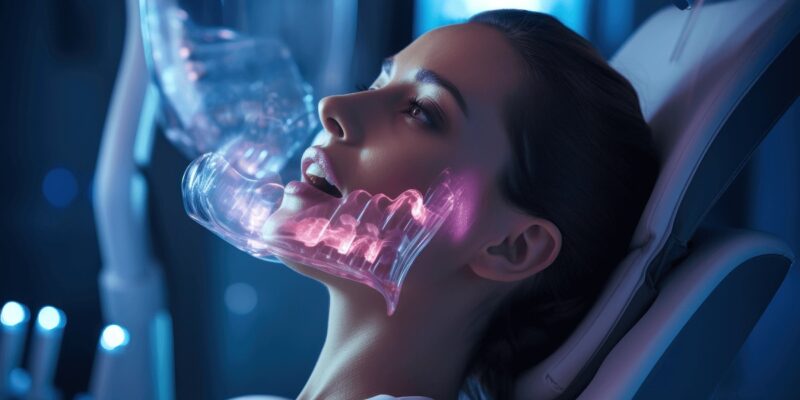
Digital smile design has arguably seen the most visible transformation. AI can now analyse facial proportions, lip dynamics, tooth shape, and even personality cues to propose smile designs tailored to the individual. Rather than relying solely on artistic judgment, dentists can present patients with data-informed previews of their future smile. These simulations improve communication, manage expectations, and support more confident decision-making in cosmetic dentistry.
AI is also reshaping preventive care and patient management. Predictive analytics help identify patients at higher risk of decay, gum disease, or implant failure based on behavioural and clinical data. Practices can then personalise recall intervals, hygiene programs, and preventive strategies. On the administrative side, AI streamlines appointment scheduling, treatment acceptance, and follow-up communication, freeing clinicians to focus more on patient care.
Despite its rapid adoption, AI dentistry in 2026 remains firmly dentist-led. As this recent AI slop in Sydney illustrates, ethical frameworks, data security, and clinical oversight are central to its responsible use. AI provides recommendations, not decisions, and the dentist’s expertise remains critical in interpreting data within the context of each patient’s health, preferences, and values.
Looking ahead, AI’s role in dentistry will continue to expand, but its purpose is already clear. From more precise fillings to sophisticated digital smile design, AI is enhancing quality, efficiency, and trust. In 2026, the best dentistry is not artificial or human—it is intelligently collaborative.