
 By Mace Laith
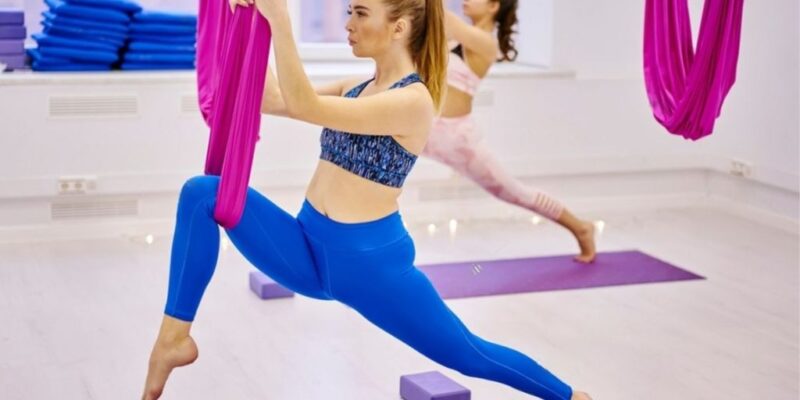
Long hours at a desk, extended screen time, and minimal movement have become part of daily life for many people in Singapore. Over time, this lifestyle places continuous compression on the spine, tightens surrounding muscles, and gradually pulls posture out of alignment. One increasingly effective approach to countering these issues is aerial yoga, a practice that uses a suspended hammock to support the body while reducing pressure on the spine.
Unlike floor-based practices that rely heavily on gravity, aerial yoga introduces controlled suspension. This creates space between vertebrae, encourages postural awareness, and allows the spine to decompress safely. When practised consistently, it becomes a powerful tool for restoring spinal health and improving posture without aggressive manipulation.
Understanding Spinal Compression in Modern Lifestyles
Spinal compression occurs when gravity and repetitive postures place constant downward force on the vertebrae. Sitting for prolonged periods, especially with a forward head position or rounded shoulders, intensifies this pressure.
Common contributors to spinal compression include:
-
Desk work with limited breaks
-
Mobile phone usage that encourages neck flexion
-
Poor ergonomic seating
-
Stress-related muscle tension
-
Lack of spinal extension movements
Over time, compression reduces disc hydration, restricts mobility, and alters natural spinal curves. Many people experience stiffness, lower back discomfort, neck tightness, or recurring postural fatigue without realising the root cause lies in prolonged compression.
How Aerial Yoga Supports Spinal Decompression
Aerial yoga introduces a fabric hammock that partially or fully supports body weight. This support allows practitioners to move into positions that would otherwise strain the spine on the mat.
Key decompression benefits include:
-
Reduced gravitational load on the vertebrae
-
Gentle traction without forceful pulling
-
Improved spinal length and alignment
-
Relaxation of overworked postural muscles
The hammock distributes weight evenly, which means the spine can elongate naturally rather than being forced into extension. This controlled unloading is particularly helpful for people who find traditional inversions uncomfortable or inaccessible.
Postural Rebalancing Through Suspension
Poor posture often develops from muscular imbalances. Tight chest muscles pull the shoulders forward, weak upper back muscles struggle to hold the spine upright, and shortened hip flexors tilt the pelvis.
Aerial yoga addresses these imbalances by:
-
Supporting the torso during back-opening movements
-
Allowing shoulders to release without bearing full body weight
-
Encouraging neutral pelvic alignment
-
Activating stabilising muscles gently but effectively
When the body feels supported, it becomes easier to explore proper alignment. Over time, this awareness carries into daily movement patterns, improving posture outside the studio as well.
Decompression Without Aggressive Inversions
Many people associate spinal decompression with intense inversion poses. While inversions can be beneficial, they are not always suitable for everyone, especially those new to suspension or managing discomfort.
Aerial yoga offers alternatives such as:
-
Partial inversions where feet remain grounded
-
Supported spinal lengthening poses
-
Seated and reclined hammock positions
-
Gentle traction without head-down pressure
These options make decompression accessible while maintaining safety and comfort. The focus remains on spinal health rather than pushing physical limits.
Impact on the Cervical and Thoracic Spine
The neck and upper back often bear the brunt of modern posture habits. Forward head posture places excess strain on cervical vertebrae, while rounded shoulders limit thoracic mobility.
Aerial yoga helps by:
-
Supporting the head and neck during release poses
-
Encouraging thoracic extension without compression
-
Reducing shoulder tension through assisted opening
-
Improving mobility between shoulder blades
As tension releases, many practitioners report improved neck comfort and reduced stiffness across the upper back. This creates a more upright and relaxed posture over time.
Pelvic Alignment and Lower Back Relief
Lower back discomfort is frequently linked to pelvic imbalance. Sitting shortens hip flexors and weakens gluteal muscles, tilting the pelvis forward and increasing lumbar compression.
In aerial yoga, the hammock assists by:
-
Supporting the hips during spinal lengthening
-
Allowing safe exploration of pelvic tilt and neutral alignment
-
Reducing load on the lumbar spine
-
Encouraging balanced muscle engagement
This combination helps relieve pressure in the lower back while strengthening muscles responsible for maintaining healthy alignment.
Muscle Relaxation and Nervous System Response
Chronic compression is not purely structural. Stress plays a major role in holding tension within spinal muscles. Aerial yoga naturally encourages relaxation by providing a sense of security and support.
Benefits include:
-
Reduced muscle guarding
-
Improved breathing patterns
-
Calmer nervous system response
-
Greater ease in movement
When muscles relax, the spine can lengthen more effectively. This mind-body connection is essential for sustainable posture improvement rather than temporary relief.
Building Long-Term Postural Awareness
One of the most valuable aspects of aerial yoga is the heightened body awareness it creates. The hammock provides immediate feedback when alignment is off, allowing practitioners to adjust intuitively.
Over time, this leads to:
-
Better recognition of postural habits
-
Improved sitting and standing alignment
-
Reduced reliance on external correction
-
Greater confidence in movement
This awareness extends beyond the studio, supporting healthier posture in everyday life.
Why Consistency Matters for Spinal Health
Spinal decompression and posture recovery are cumulative processes. One session may offer relief, but consistent practice creates lasting change.
Regular aerial yoga practice helps:
-
Maintain spinal length
-
Reinforce muscular balance
-
Prevent recurrence of compression
-
Support ongoing postural strength
Choosing a studio that emphasises alignment, safety, and personalised guidance is essential. This is where experienced environments like Yoga Edition play a vital role in ensuring the practice supports long-term spinal wellbeing rather than short-term trends.
Integrating Aerial Yoga Into a Desk-Based Routine
For office professionals, aerial yoga works best when combined with mindful daily habits.
Helpful strategies include:
-
Standing and stretching regularly during work hours
-
Adjusting workstation ergonomics
-
Practising simple spinal mobility exercises
-
Staying consistent with aerial yoga sessions
Together, these habits reinforce the decompression benefits achieved in class.
FAQs
Q: Can aerial yoga help with long-term posture correction, not just temporary relief?
A: Yes. When practised consistently, aerial yoga builds awareness, muscle balance, and spinal length that support lasting posture improvement rather than short-term comfort.
Q: Is aerial yoga suitable for people with mild back discomfort from desk work?
A: In many cases, yes. The hammock reduces spinal load and allows gentle decompression. However, individual conditions should always be discussed with the instructor before class.
Q: How often should aerial yoga be practised for spinal decompression benefits?
A: Practising one to two times per week is generally effective for maintaining spinal space and reinforcing postural alignment.
Q: Does aerial yoga require strong core muscles to support the spine safely?
A: The hammock provides assistance, allowing core strength to develop gradually without strain, making it suitable for those rebuilding postural stability.
Q: Can aerial yoga complement physiotherapy or other posture-focused treatments?
A: Yes. Many people use aerial yoga alongside physiotherapy or mobility work, as it encourages gentle spinal lengthening and muscle relaxation without aggressive force.