

 By Mace Laith
Intravenous wellness treatments are often marketed around hydration, energy and recovery, which can make them appear like a simple extension of taking vitamins. In reality, a vitamin infusion drip delivers fluid and other substances directly into the bloodstream, so the formulation and medical suitability deserve more thought than the treatment name alone may suggest. Patients should understand what is being administered, why those ingredients have been selected and whether intravenous delivery is genuinely appropriate for their situation.
Know What Is In The Formulation
IV programmes can contain different combinations of fluids, vitamins, minerals or other ingredients. The first step should therefore be finding out exactly what is included rather than relying on names such as energy, immunity or recovery drip. Those labels may describe the intended theme of the treatment, but they do not tell the patient what is actually entering the body.
The clinician should also be able to explain why those ingredients have been selected. A combination may make sense in one context but offer little value in another, and more nutrients do not automatically mean a better treatment. The patient’s existing supplements, medications and medical history should also be considered because they contribute to the overall picture.
Clear formulation information allows the patient to understand whether the treatment has a specific purpose or is simply being offered as a general wellness package. That distinction matters when deciding whether the cost and medical procedure are justified.
Persistent Tiredness Deserves More Than A Quick Fix
Fatigue is one of the most common reasons people become interested in vitamin infusions, but tiredness can have many causes. Poor sleep, stress, dehydration, nutritional deficiencies and a wide range of medical conditions can all produce similar symptoms. Treating the feeling without considering the reason behind it may provide reassurance without addressing the actual problem.
Someone who feels persistently exhausted should therefore consider whether medical investigation is more appropriate than repeatedly booking wellness treatments. Depending on the symptoms, a clinician may suggest reviewing sleep, nutrition, medication or carrying out further tests. The important point is that unexplained fatigue should not automatically be treated as evidence that more vitamins are needed.
IV therapy may still have a role for some people in some circumstances. It simply needs to be considered within the wider health picture rather than used as a universal answer to feeling run down.
The Procedure Still Carries Medical Considerations
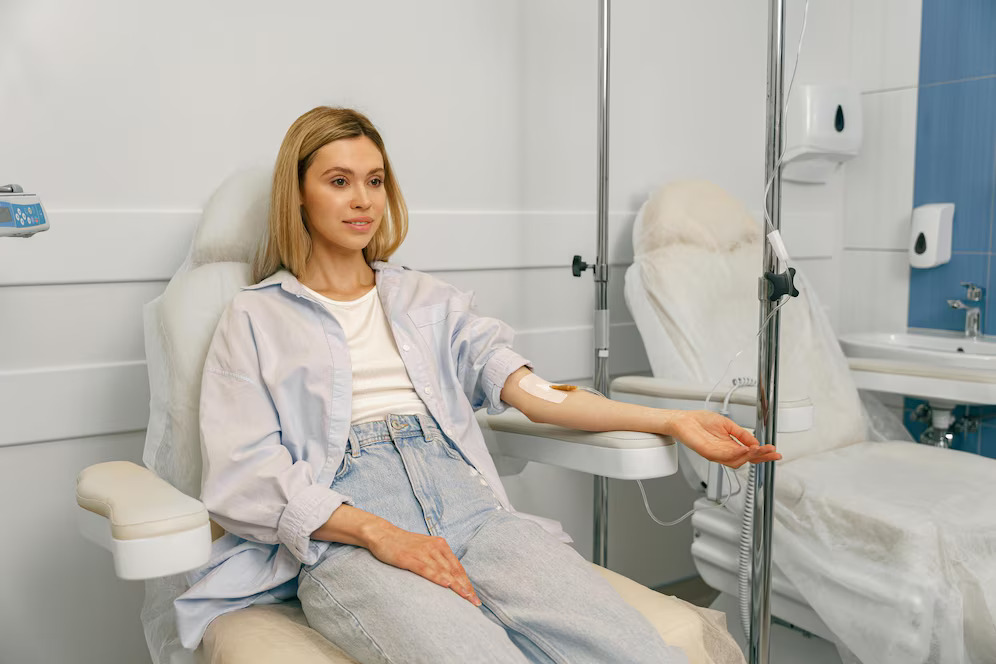
An IV drip involves placing a cannula into a vein, which means there are practical risks such as bruising, irritation and infection. Fluid balance can also matter for people with certain medical conditions, making basic screening important before treatment begins. A reputable clinic should therefore ask about relevant health history rather than assuming the treatment is suitable for everybody.
Patients should know who will insert and monitor the IV and what happens if they feel unwell during the session. The environment should be clean, the equipment should be handled appropriately and medical support should be available if an unexpected reaction occurs.
Aftercare should also be straightforward. Patients should be told what effects are expected and who to contact if something feels unusual afterwards.
Everyday Health Still Matters Most
A wellness drip should not become a substitute for sleep, regular hydration, food or appropriate medical care. Someone repeatedly using IV treatment because they are constantly dehydrated or sleeping four hours a night is addressing the symptom rather than the cause.
The most useful question is therefore not whether IV therapy is fashionable or convenient, but whether it has a clear role in the individual’s circumstances. When the formulation, screening and expected benefit all make sense, patients are in a much better position to decide whether the treatment is worthwhile.
Intravenous wellness treatments can feel simple because the appointment itself is straightforward, but the decision should still be informed. Understanding what is in the drip, why it is being used and what it can realistically achieve is far more valuable than choosing a treatment solely because of the promise attached to its name.